
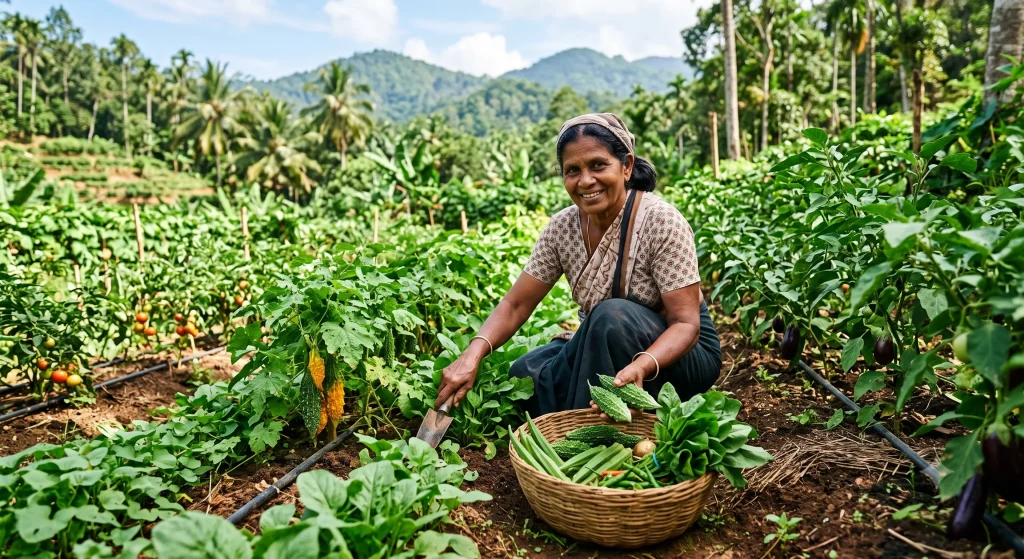
Every successful harvest starts with one decision. Choosing good seeds. Good seeds make a difference because they give you better germination, stronger plants and more food. Whether you have a farm or a small garden at home using good seeds is very important for the whole growing season.
Even the best seeds need to be taken care of properly. You need to prepare the soil water them correctly give them enough sunlight and take care of them regularly. All these things help you grow vegetables.
In this guide we will look at ten tips that can help you grow stronger and healthier vegetables.
- Start with seeds
A good harvest starts with good seeds.
You should buy seeds from people you trust who have checked that the seeds are good and will work well. Good seeds usually give you plants help them fight diseases and give you a better harvest.
Try not to use damaged seeds if you can help it.
- Prepare the soil well
Good soil makes plants.
Before you plant you should:
- Remove the weeds
- Break up the soil
- Add compost or other natural things to the soil
- Make sure the water can drain properly
If your soil is rich the roots of the plants will grow deep and get all the nutrients they need.
- Plant the seeds at the depth
If you plant the seeds too deep or too shallow they might not grow.
A simple thing to remember is to plant the seeds about two to three times deep as they are.
Always follow the instructions that come with the seeds for each type of plant.
- Water the seeds carefully
Seeds need water to grow. Too much water can be bad for them.
You should keep the soil wet, but not too wet.
After the plants start growing you should water them regularly depending on what they need.
It is usually best to water them in the morning.
- Give the plants sunlight
Most vegetables need at least six to eight hours of sunlight every day.
If they get sunlight they will grow healthy leaves, flowers and fruits.
You should not plant them in areas that’re too shady.
- Give the plants space
If the plants are too close together they will compete for:
- Water
- Nutrients
- Sunlight
- Air
If you give them space they will be less likely to get diseases and will grow stronger.
- Feed the plants regularly
Plants need nutrients to grow.
Depending on the type of plant you can use:
- Compost
- Fertilizers that have the balance of nutrients
- Natural things to make the soil better
You should not use too much fertilizer because it can hurt the plants.
- Check the plants for pests and diseases
You should check your plants regularly for problems.
Some early signs of problems are:
- Yellow leaves
- Holes in the leaves
- Wilting
- Spots on the stems
If you catch the problems early you can stop them from getting worse.
- Remove weeds regularly
Weeds compete with your plants, for water, nutrients and sunlight.
If you keep the area clean your plants will get nutrients and water and the air will circulate better.
Removing weeds also helps keep pests
- Harvest the vegetables at the time
If you harvest your vegetables when they are ready they will taste better be better quality and last longer.
Harvesting them regularly also encourages some plants to keep producing food.